A warm fireplace can make a Connecticut winter much more comfortable, especially when temperatures drop and snow begins to cover the ground. However, keeping your fireplace in good condition requires more than simply removing ashes after each fire. Regular chimney maintenance is essential for protecting your home, maintaining proper airflow, and reducing fire hazards.
One of the most common questions homeowners ask is: how often should you clean your chimney? The answer depends on several factors, including how frequently you use your fireplace, the type of fuel you burn, and the condition of your chimney system.
How Often Does a Chimney Need Cleaning?
Chimneys should generally be inspected at least once a year. Cleaning should be performed whenever soot, creosote, or other deposits have accumulated to a level that requires removal.
For homeowners who use their fireplaces regularly throughout the Connecticut winter, annual chimney cleaning is often appropriate. However, fireplaces that are used heavily may need more frequent attention.
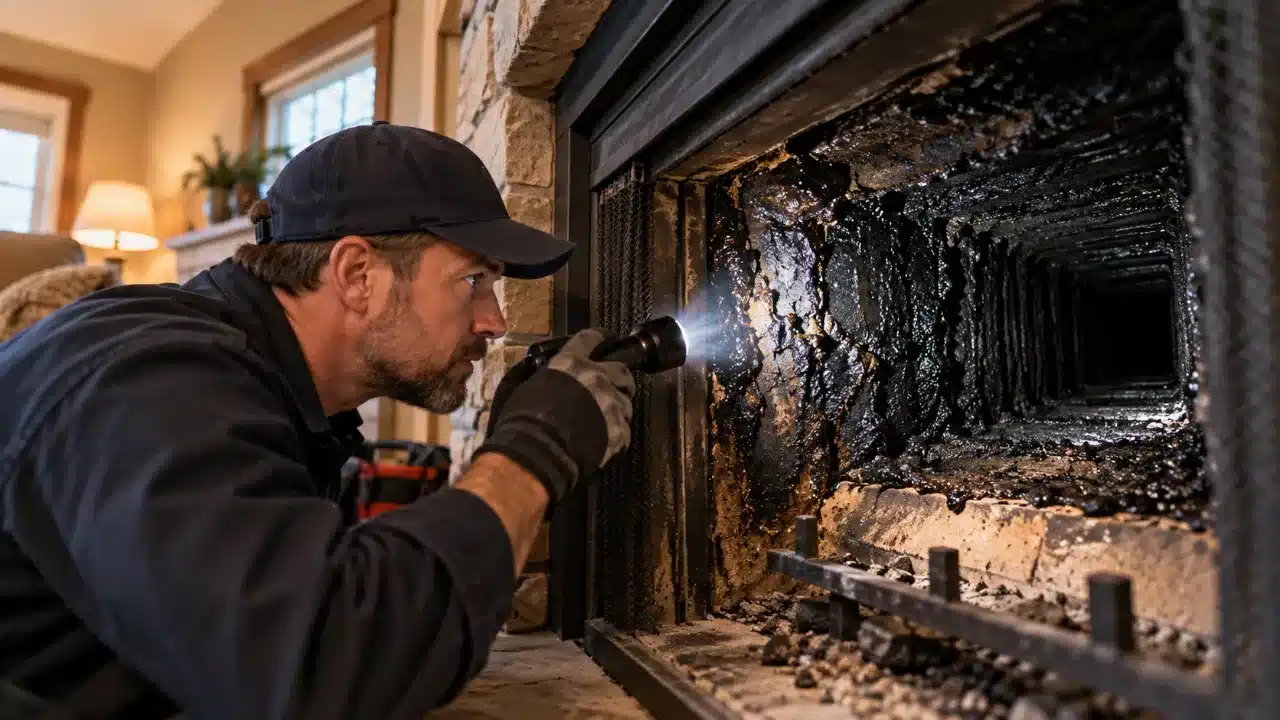
According to widely recognized chimney safety guidance, creosote deposits measuring approximately 1/8 inch or more are a reason to arrange cleaning. Even smaller amounts of glazed creosote can require professional attention.
The safest approach is to have a qualified chimney professional evaluate your system and recommend the appropriate cleaning schedule.
Why Regular Chimney Cleaning Matters
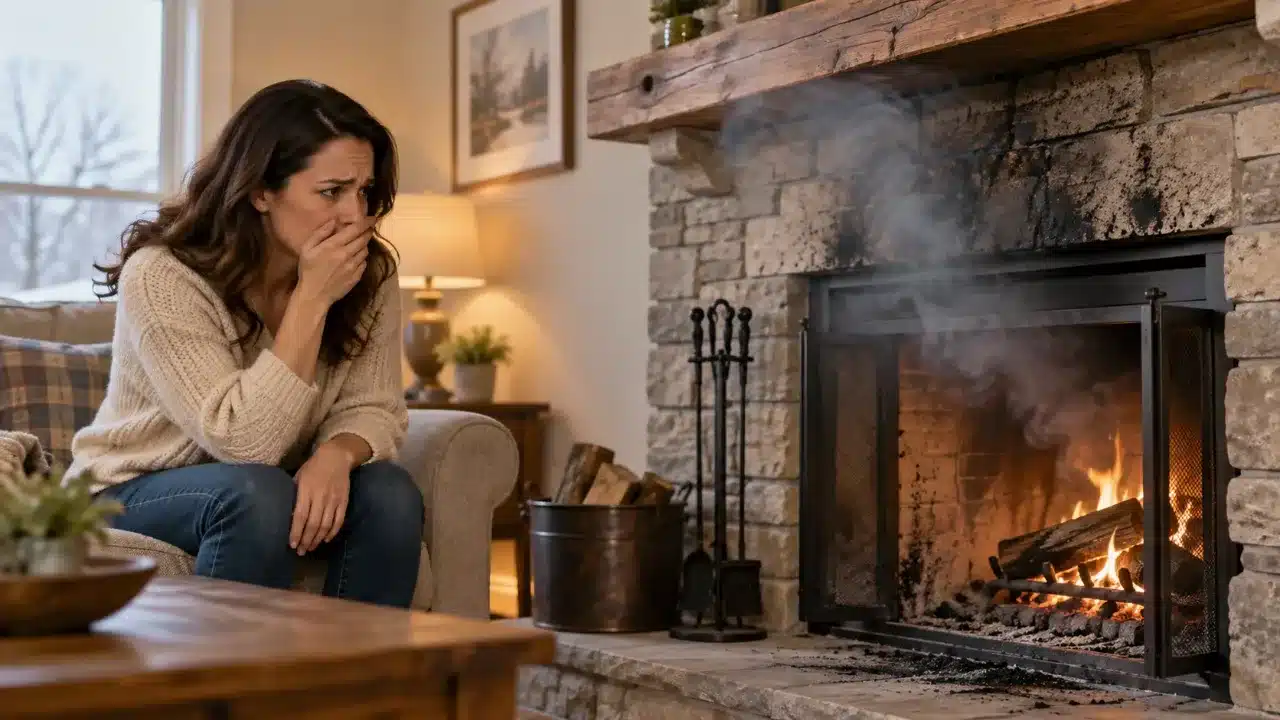
Over time, burning wood produces soot, smoke particles, and creosote that collect along the interior walls of your chimney. These deposits can gradually restrict airflow and increase the risk of chimney fires.
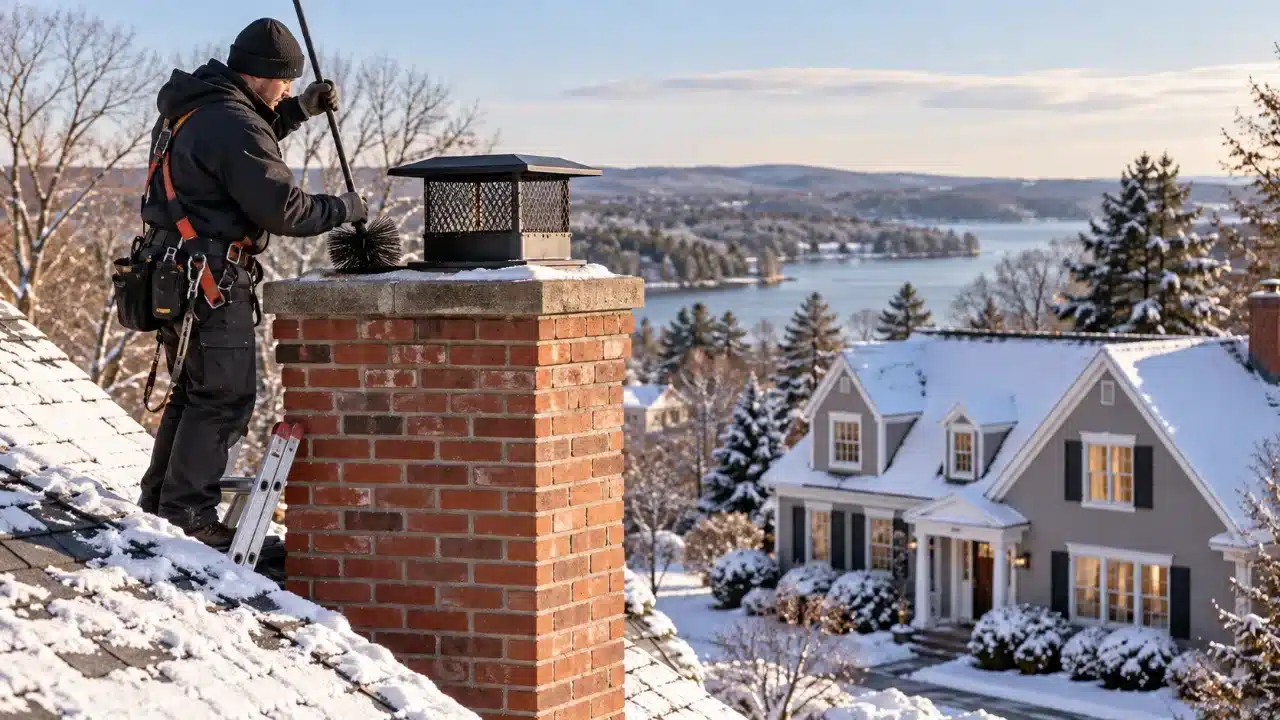
Scheduling professional chimney cleaning helps remove accumulated deposits and keeps the flue clear of debris.
Regular cleaning can provide several important benefits.
Reduced fire hazards: Removing combustible creosote deposits helps lower the risk of a chimney fire.
Better airflow: A cleaner flue allows combustion gases to exit more effectively when the chimney system is functioning correctly.
Fewer unpleasant odors: Accumulated soot and creosote can contribute to persistent fireplace odors, especially during humid weather.
Earlier identification of problems: During a cleaning appointment, professionals may notice visible signs of deterioration, blockages, or other concerns that warrant further evaluation.
Factors That Affect How Frequently Your Chimney Needs Cleaning
Not every fireplace develops deposits at the same rate. Several factors influence how quickly chimney maintenance becomes necessary.
Fireplace usage: A fireplace used several nights a week typically accumulates deposits faster than one used only occasionally.
Wood quality: Wet or unseasoned firewood tends to produce more smoke and can contribute to faster creosote accumulation.
Burning temperature: Fires that burn at relatively low temperatures may produce more condensation and deposits inside the chimney.
Chimney design: Poor draft, an oversized flue, or an improperly configured chimney system can contribute to excessive buildup.
Local weather conditions: Connecticut’s cold winters can affect chimney draft and flue temperatures, particularly when the chimney is located on an exterior wall.
These factors explain why a fixed cleaning schedule cannot replace an assessment of the actual condition of your chimney.
When Should You Schedule a Chimney Inspection?
A clean chimney is not necessarily a structurally sound chimney. Cracked flue tiles, damaged masonry, and deteriorated liners may remain hidden even after soot has been removed.
A professional chimney inspection can help identify issues that routine sweeping alone may not reveal.
Annual inspections are especially important for homeowners who have recently purchased a property, have not used their fireplaces for several years, or have experienced unusual smoke or drafting problems.
An inspection should also be arranged after a suspected chimney fire, severe weather damage, or significant changes to the heating system.
What Is the Best Time of Year to Clean Your Chimney in Connecticut?
Late spring, summer, and early fall are convenient times to schedule chimney maintenance.
By arranging service before the heating season begins, homeowners can address potential problems before they need to rely on their fireplaces during colder weather.
For residents of Hartford, West Hartford, Manchester, New Britain, and surrounding Connecticut communities, preparing the chimney before winter can help avoid unexpected disruptions during the coldest months.
Spring cleaning can also remove soot and creosote that accumulated during the previous heating season, rather than leaving deposits in the chimney throughout the warmer months.
Can You Clean Your Chimney Yourself?
Although some homeowners purchase chimney brushes and other cleaning equipment, professional cleaning offers several advantages.
Chimney systems can contain bends, narrow passages, and hidden areas that are difficult to access without specialized tools.
Improper cleaning techniques may leave significant deposits behind or fail to identify potentially dangerous conditions.
A qualified technician can determine whether the system requires routine sweeping, more intensive deposit removal, or additional evaluation.
Homeowners should also avoid relying on chimney cleaning logs as a substitute for professional sweeping. Such products do not replace the need for physical inspection and cleaning.
Keep Your Chimney Ready for Connecticut Winters
The best chimney maintenance schedule depends on how the fireplace is used and how quickly deposits accumulate.
For most Connecticut homeowners, an annual inspection combined with cleaning when necessary is a practical approach to chimney maintenance.
Central CT Chimney provides professional chimney services throughout Connecticut, helping homeowners prepare their fireplaces for colder weather and identify maintenance concerns before they become more serious.
Regular maintenance is an investment in the safety, reliability, and long term condition of your chimney system.